
TRT Diary guide
TRT Tracker: What to Log Before and During Testosterone Therapy
TRT tracking works best when it combines daily notes, objective measurements, lab results, appointment questions, and timeline context in one place.
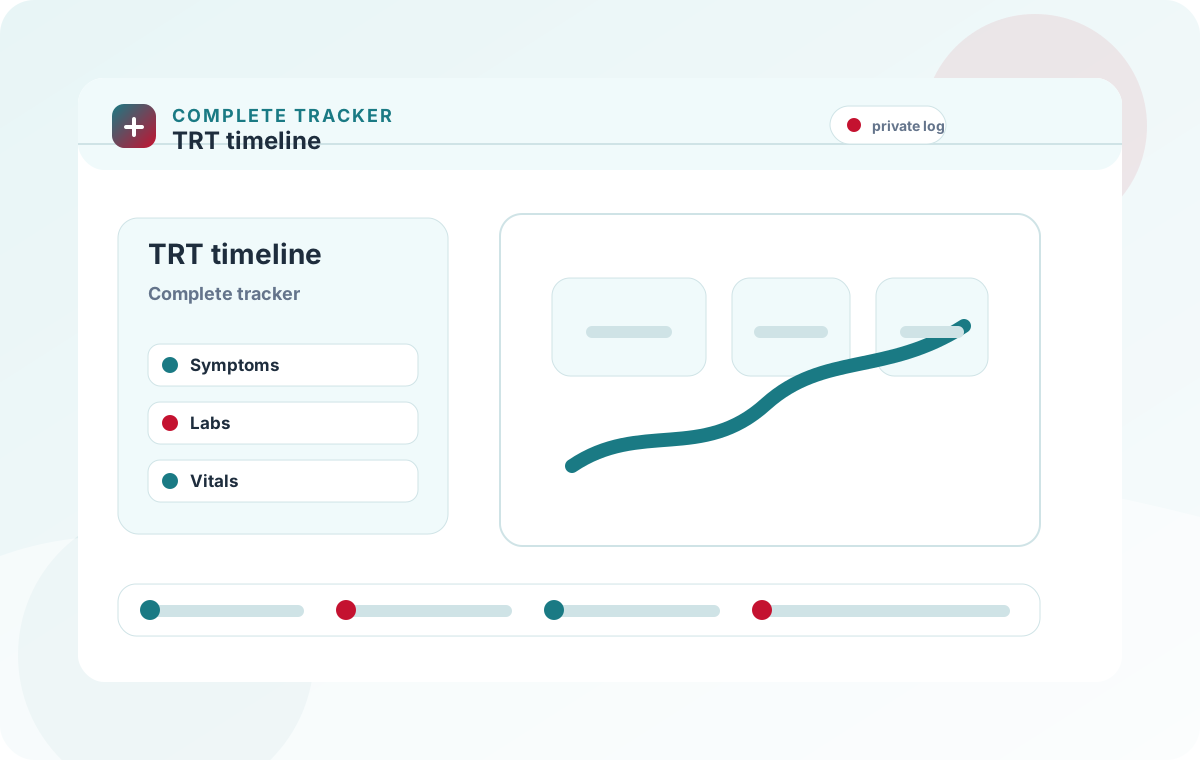
Core TRT tracker categories
- Baseline symptoms, sleep, mood, libido, energy, and training notes.
- Blood pressure readings, body weight, waist, and optional progress photos.
- Lab dates, testosterone values, CBC markers, hematocrit, PSA when relevant, lipids, and clinician comments.
- Medication and injection schedule, dose notes from your prescription, and missed or delayed doses.
- Side effects, new symptoms, appointment questions, and doctor-ready summaries.
Free template
TRT tracker XLSX template
A complete spreadsheet starter for symptoms, vitals, labs, side effects, progress notes, and doctor questions. Styled XLSX opens in Excel, Numbers, and Google Sheets. CSV is still available.
Why a TRT tracker helps
TRT decisions are usually made from a mix of symptoms, lab results, vital signs, and clinical history. A tracker gives you a cleaner record to review with a licensed healthcare professional instead of relying on memory.
The goal is not to self-adjust treatment. The goal is to notice patterns, prepare better questions, and bring organized information to appointments.
The simplest setup
Start with a baseline entry before treatment, then add a short daily or weekly check-in. Pair that with lab panels, blood pressure readings, and notes about anything that changed.
TRT Diary is designed around that workflow: diary entries, labs, reports, injections, calendar events, photos, and doctor questions stay connected to the same timeline.
Starter TRT tracker template
| Field | What to record |
|---|---|
| Date | Use one row per check-in or event. |
| Symptoms | Energy, mood, libido, sleep, focus, and training recovery. |
| Vitals | Blood pressure, pulse, weight, and waist if you track them. |
| Labs | Panel date, result name, value, range, and clinician comment. |
| Treatment notes | Prescription schedule, appointment changes, and missed doses. |
| Questions | Anything to ask your clinician at the next visit. |
FAQs
What should a TRT tracker include?
A practical TRT tracker includes baseline symptoms, ongoing symptom notes, blood pressure, body measurements, lab results, hematocrit, medication schedule notes, side effects, and doctor questions.
Should I use a spreadsheet or an app for TRT tracking?
Either can work. A spreadsheet is portable, while an app like TRT Diary can keep labs, diary entries, injections, reminders, photos, and reports together.
Can a tracker tell me how to change my TRT protocol?
No. Tracking can help you prepare for medical visits, but treatment decisions should be made with a licensed healthcare professional.