
TRT Diary guide
TRT Lab Tracking Spreadsheet: Fields to Include
A TRT lab tracker should preserve the result, date, units, reference range, and clinician interpretation so changes are not viewed in isolation.
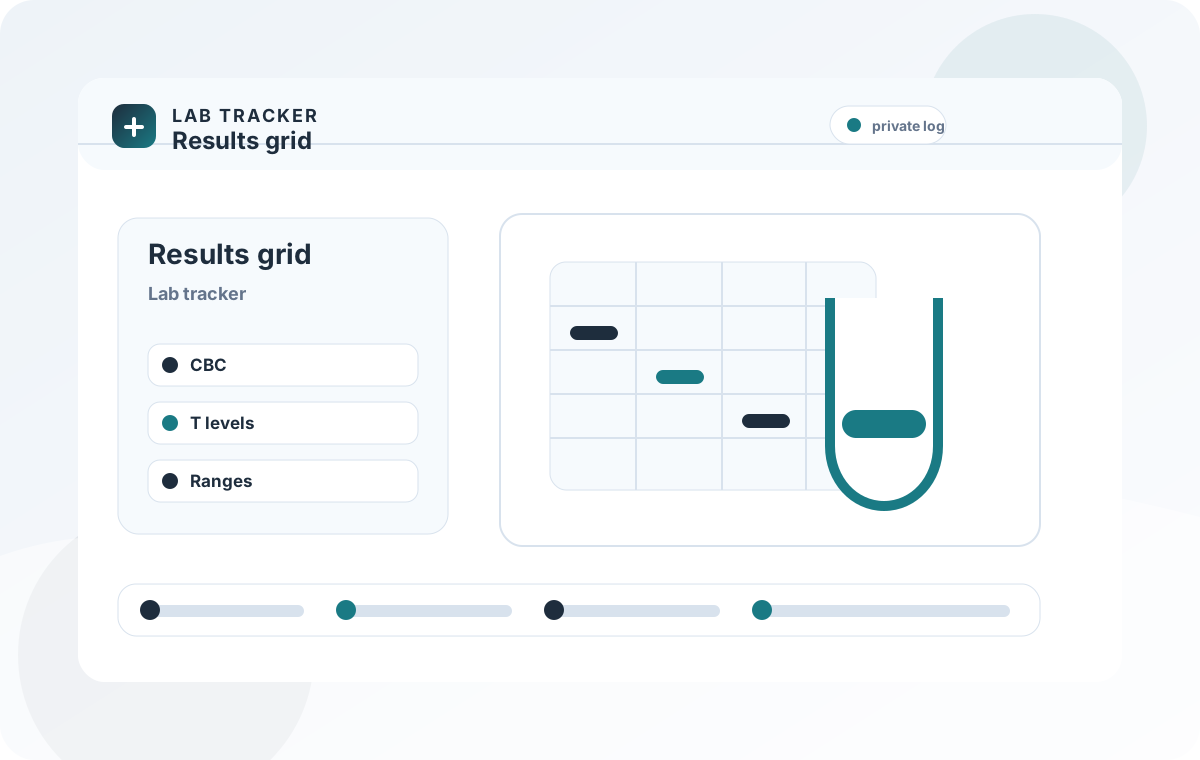
Lab tracker fields
- Collection date, lab name, fasting status if relevant, and time of draw.
- Total testosterone, free testosterone, SHBG, and estradiol when ordered.
- CBC markers, including hemoglobin and hematocrit.
- PSA when clinically relevant, lipids, CMP, and other ordered tests.
- Reference range, units, notes, and clinician interpretation.
Free template
TRT lab tracking spreadsheet XLSX
A lab-results spreadsheet for dates, tests, values, units, reference ranges, treatment context, and clinician notes. Styled XLSX opens in Excel, Numbers, and Google Sheets. CSV is still available.
Do not separate values from context
Lab values can vary by lab, reference range, time of draw, medication timing, and clinical context. A good spreadsheet stores those details instead of just copying the headline number.
The AUA guideline highlights hemoglobin and hematocrit monitoring as part of testosterone therapy safety discussions, which makes CBC tracking especially important to organize.
Use your tracker before visits
Before an appointment, review which labs changed, when they changed, and what symptoms or blood pressure readings changed at the same time. Then bring focused questions to your clinician.
TRT lab spreadsheet columns
| Field | What to record |
|---|---|
| Date | Collection date and time of draw. |
| Test name | Example: total testosterone, hematocrit, PSA, LDL. |
| Value and unit | Keep the exact unit from the report. |
| Reference range | Ranges vary by lab and method. |
| Treatment context | Prescription timing, appointment change, or relevant note. |
| Clinician note | What your doctor said or asked you to monitor. |
FAQs
What labs should I track on TRT?
Track the labs your clinician orders. Common categories include testosterone values, CBC markers such as hematocrit, PSA when relevant, lipids, CMP, and other individualized tests.
Why include reference ranges?
Reference ranges can differ by lab, so storing the range, unit, and report date keeps results easier to interpret with your clinician.
Can TRT Diary replace a spreadsheet?
TRT Diary can keep lab panels, report files, notes, and timeline context together, while spreadsheets can still be useful for exporting or sharing summaries.