
TRT Diary guide
TRT Progress Tracker: Symptoms, Labs, Vitals, and Photos
TRT progress tracking should combine how you feel, what changed objectively, and what your clinician reviewed.
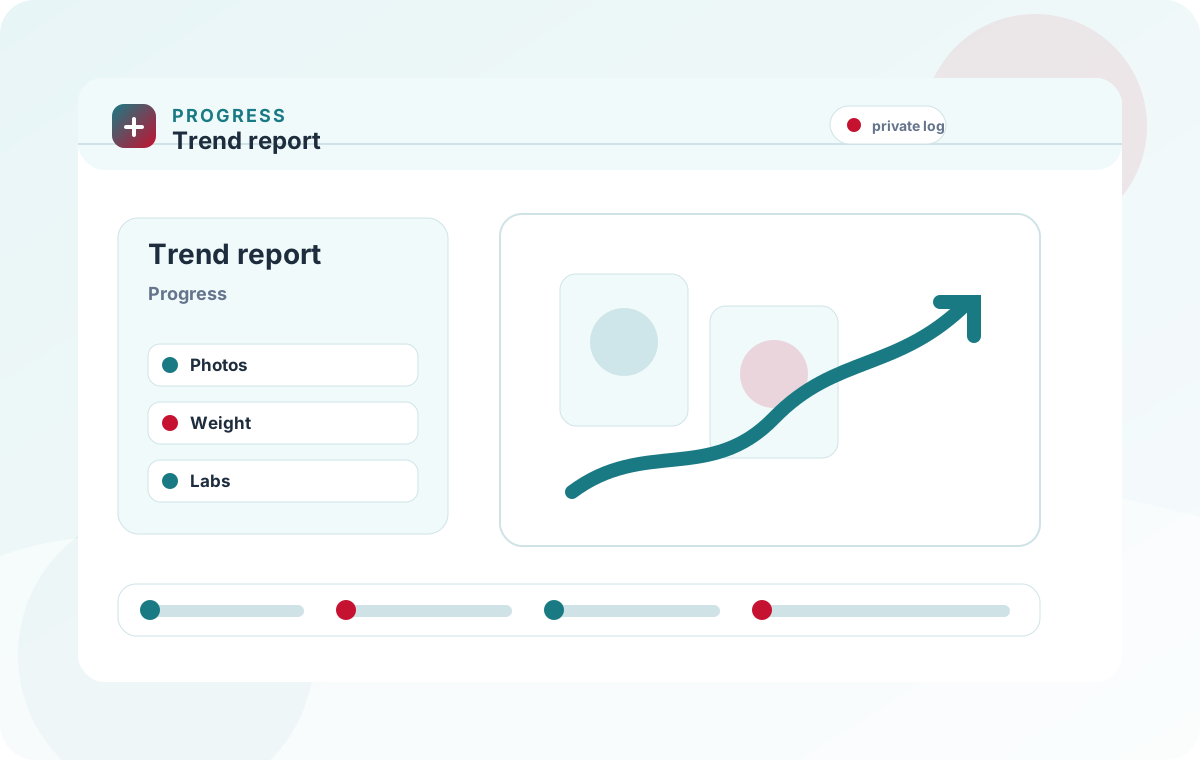
Progress tracker categories
- Weekly symptom scores and notes.
- Blood pressure, weight, waist, and optional photos.
- Training recovery, strength notes, nutrition changes, and sleep.
- Lab reports and safety markers over time.
- Side effects, appointment notes, and doctor questions.
Free template
TRT progress tracker XLSX
A weekly progress tracker for symptoms, vitals, body measurements, photos, labs, side effects, and questions. Styled XLSX opens in Excel, Numbers, and Google Sheets. CSV is still available.
Use multiple signals
Progress is not just a single testosterone number. Symptoms, labs, blood pressure, sleep, body composition, and side effects all belong in the timeline.
A good tracker helps separate real treatment-related changes from unrelated changes in sleep, stress, training, diet, illness, or medication.
Make reports appointment-ready
Before a follow-up, summarize the most important changes, attach relevant labs, and list the questions you want to cover.
Progress tracker template
| Field | What to record |
|---|---|
| Week | Date range and major events. |
| Symptom trend | Energy, mood, libido, sleep, and focus. |
| Vitals and body | Blood pressure, weight, waist, and photo note. |
| Labs | Recent results and clinician comments. |
| Next visit | Questions and topics to review. |
FAQs
What is the best way to track TRT progress?
Use a consistent weekly check-in that includes symptoms, blood pressure, body measurements, labs, side effects, and notes for your clinician.
Are progress photos useful for TRT?
They can be useful for personal body-composition tracking, but medical follow-up should also include symptoms, labs, vitals, and clinician review.
How often should I summarize TRT progress?
A weekly summary is practical for many people, with deeper reviews before appointments or lab follow-ups.